![[Fast-Drying Pet Feeding Mat] Splash-Proof, Absorbent, Easy to Cl...](https://m.media-amazon.com/images/I/41Lj5J43BgL._AC_.jpg)



Understanding the Different Types of Silver Bracelets
When selecting a silver bracelet as a present, it is crucial to understand the various styles and types available. Silver bracelets can generally be categorized into differing designs, each offering a unique aesthetic.
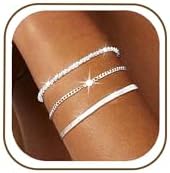

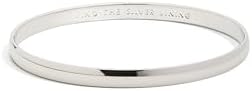

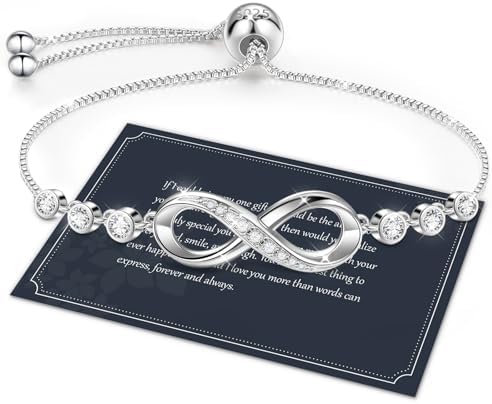


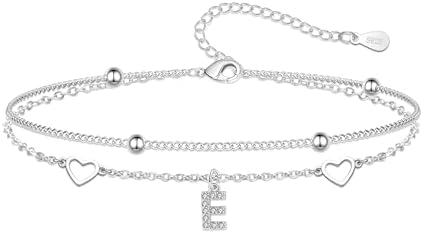

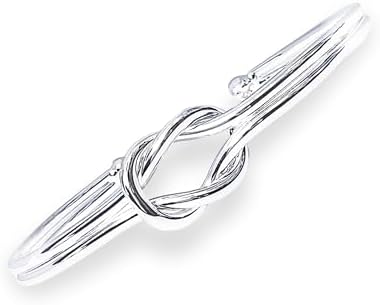

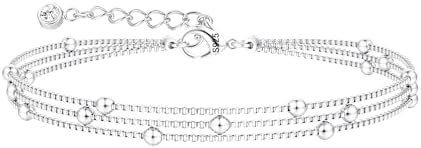


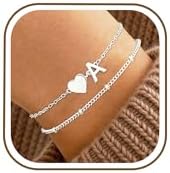
Classic charm bracelets, for instance, combine personal expression with style; they allow the wearer to showcase charms that hold special significance. The versatility of charm bracelets makes them a popular choice for gifting, as they can be tailored to the recipient’s interests.
Another type of silver bracelet is the bangle, which offers a more modern and minimalist aesthetic. Bangles can be worn alone or stacked, creating a trendy layered look. They come in various widths and finishes, from polished to matte, allowing for individualization that reflects the wearer’s personality. Subsequently, it is vital to consider the personal style of the gift recipient when selecting a bangle.
Furthermore, the distinction between solid silver and sterling silver is essential. Solid silver consists of pure silver, which is relatively soft and can be more susceptible to scratches. In contrast, sterling silver is an alloy, containing 92.5% silver and 7.5% other metals, such as copper, which enhances durability without compromising the beauty of the silver. This difference can impact not only the wearability of the bracelet but also its long-term maintenance, as sterling silver tends to hold up better over time.
Additionally, silver bracelets come in various finishes and textures, from intricate engravings to sleek and polished surfaces. These design elements can significantly affect the overall aesthetics, making it imperative to choose a bracelet that aligns with the tastes of the intended recipient. By understanding the different types of silver bracelets available, one can make a more informed decision when selecting a piece that is both beautiful and meaningful.
Selecting a silver bracelet as a gift entails careful consideration of several key factors to ensure the recipient enjoys and appreciates the present. The first aspect to evaluate is the recipient’s personal style. Silver bracelets come in a variety of designs, from classic and elegant to modern and bold. Understanding the recipient’s preferences—whether they favor minimalist looks, intricate designs, or statement pieces—will help narrow down the options. Additionally, observing their current jewelry collection can provide insight into their favored styles.
Size is another crucial element when selecting a silver bracelet. Carefully measure the recipient’s wrist to ensure a comfortable fit. Many bracelets come in standard sizes, but adjustable options are available and can offer added versatility. If you are unsure about the size, consider opting for a flexible or open-ended design that accommodates different wrist sizes while maintaining a secure fit.
The occasion for which the silver bracelet is intended is also a significant consideration. Is the gift being given for a birthday, anniversary, or another special event? The significance of the occasion can influence the choice of design and material. Some silver bracelets may be more appropriate for everyday wear, while others may be suited for formal events or special occasions. Furthermore, assessing the bracelet’s durability and maintenance needs will enhance your selection process. A bracelet that can withstand daily wear and tear without losing its luster is advantageous, especially if the recipient leads an active lifestyle.
Lastly, always check if the bracelet suits the recipient’s lifestyle and preferences for jewelry. Whether the bracelet is intended for regular use or special events should guide your selection. Taking these factors into account will undoubtedly help you choose the best silver bracelet that resonates with the recipient’s character and enhances their collection.
Where to Buy Quality Silver Bracelets
When seeking quality silver bracelets, careful consideration of where to make your purchase plays a crucial role in ensuring you receive a product that meets your expectations. One of the best options is to visit local jewelers, who often provide personalized service and allow customers to examine pieces in person. Reputable local jewelers typically have an established reputation within the community, which enhances confidence in their offerings. They can also provide assurances about the silver’s authenticity, and customers can often obtain insightful advice from experienced staff.
In addition to local jewelers, established online retailers present a viable alternative, offering a vast selection of designs and styles to choose from. These platforms often provide detailed descriptions, customer reviews, and high-resolution images to give potential buyers a comprehensive understanding of each piece. To ensure a satisfactory shopping experience, look for online retailers with transparent return policies, warranties on silver quality, and strong customer service. It is advisable to shop from well-known brands that specialize in silver jewelry, as they tend to prioritize quality and customer satisfaction.
Furthermore, artisan markets and craft fairs can be excellent venues for discovering unique silver bracelets handmade by local artisans. Buying directly from artisans allows you to better appreciate the craftsmanship involved. Such purchases not only support local businesses but also provide an opportunity to engage directly with the creator, asking questions about materials, care, and custom options. Regardless of where you choose to shop, the key is thorough research. Verify the seller’s reputation through online reviews or personal recommendations and ensure they prioritize quality assurance, authentic materials, and excellent customer service. This expertise will help you select a silver bracelet that will be cherished for years to come.
Personalizing Your Silver Bracelet Gift
Personalization is a thoughtful way to enhance the sentimental value of a silver bracelet, making it a memorable present for any occasion. One of the most popular methods is engraving. This process allows you to inscribe names, important dates, or heartfelt messages onto the bracelet. For instance, a simple yet elegant engraving of the recipient’s initials or a significant date can transform a standard piece of jewelry into a cherished keepsake. This small addition not only shows the thought put into the gift but also provides a unique identifier that sets it apart from other items.
Another technique to personalize a silver bracelet is by incorporating charms. Charms can represent personal interests, hobbies, or significant milestones in the recipient’s life. For example, if the recipient has a passion for travel, adding a charm in the shape of a globe could symbolize their adventures. Alternatively, a charm reflecting a specific milestone, such as a graduation cap for a recent graduate, can serve as a meaningful tribute to their achievements. By selecting charms that resonate with the recipient, you can create a dynamic piece that tells their unique story.
Moreover, personalized packaging can also enhance the overall experience of receiving a silver bracelet gift. Consider using a custom box adorned with the recipient’s favorite colors or patterns. Including a handwritten note expressing your thoughts adds a personal touch that can deepen the emotional connection between the giver and the recipient. Each of these personalization strategies allows you to tailor the gift to the individual’s character and life journey, transforming a simple silver bracelet into an item of profound sentimental value. By investing time and creativity in personalizing the bracelet, you ensure that your gift is not only unique but also resonates deeply with the person receiving it.